The Luce Signals a New Era for Ferrari
Ferrari, a company inextricably linked with hand-crafted engines since its first car rolled out of the factory gates in Maranello in 1947, is built on a very particular obsession.
Enzo Ferrari once put it with characteristic bluntness: "I don't sell cars; I sell engines. The cars I throw in for free since something has to hold the engines in." For nearly eight decades, that philosophy — combustion as identity, the engine as soul — has defined every car to wear the Prancing Horse. Now, in 2026, Ferrari is poised to unveil one of the most consequential new models of it's history - the Luce, Ferrari's first electric vehicle.
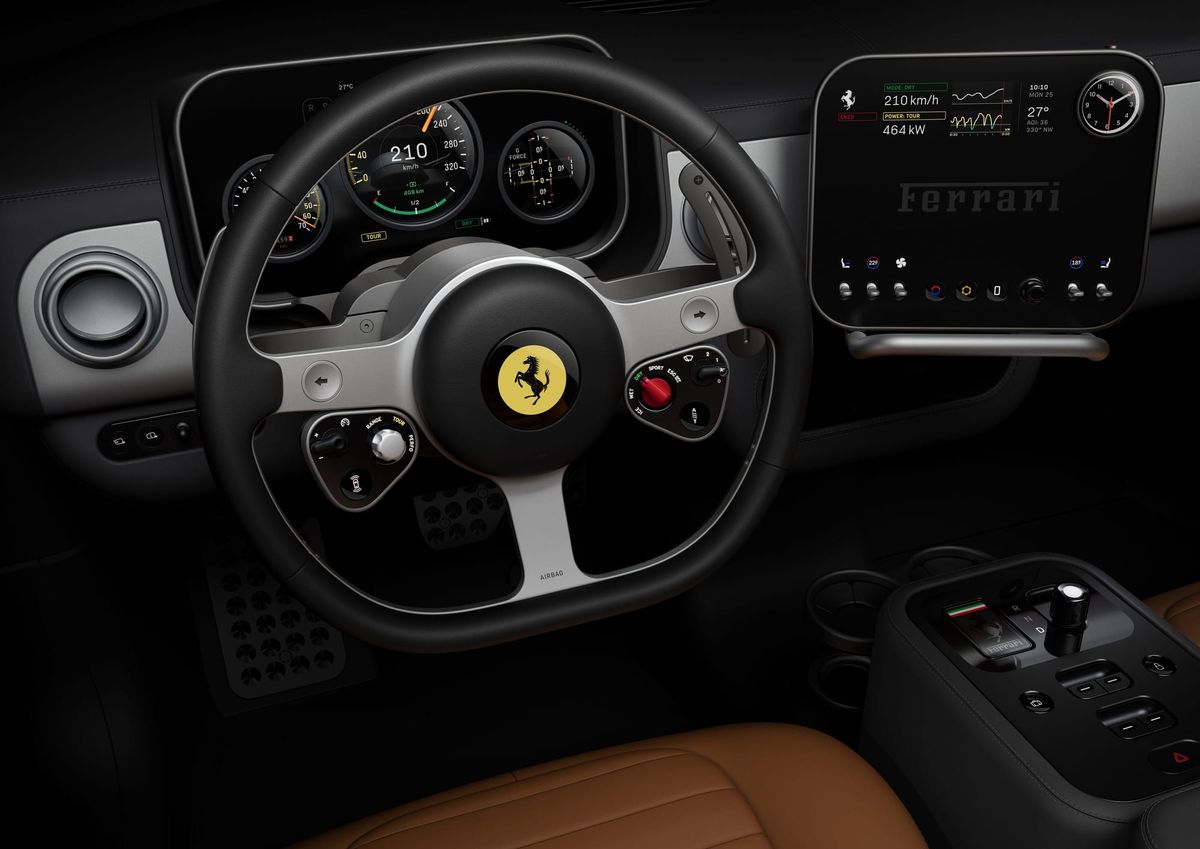
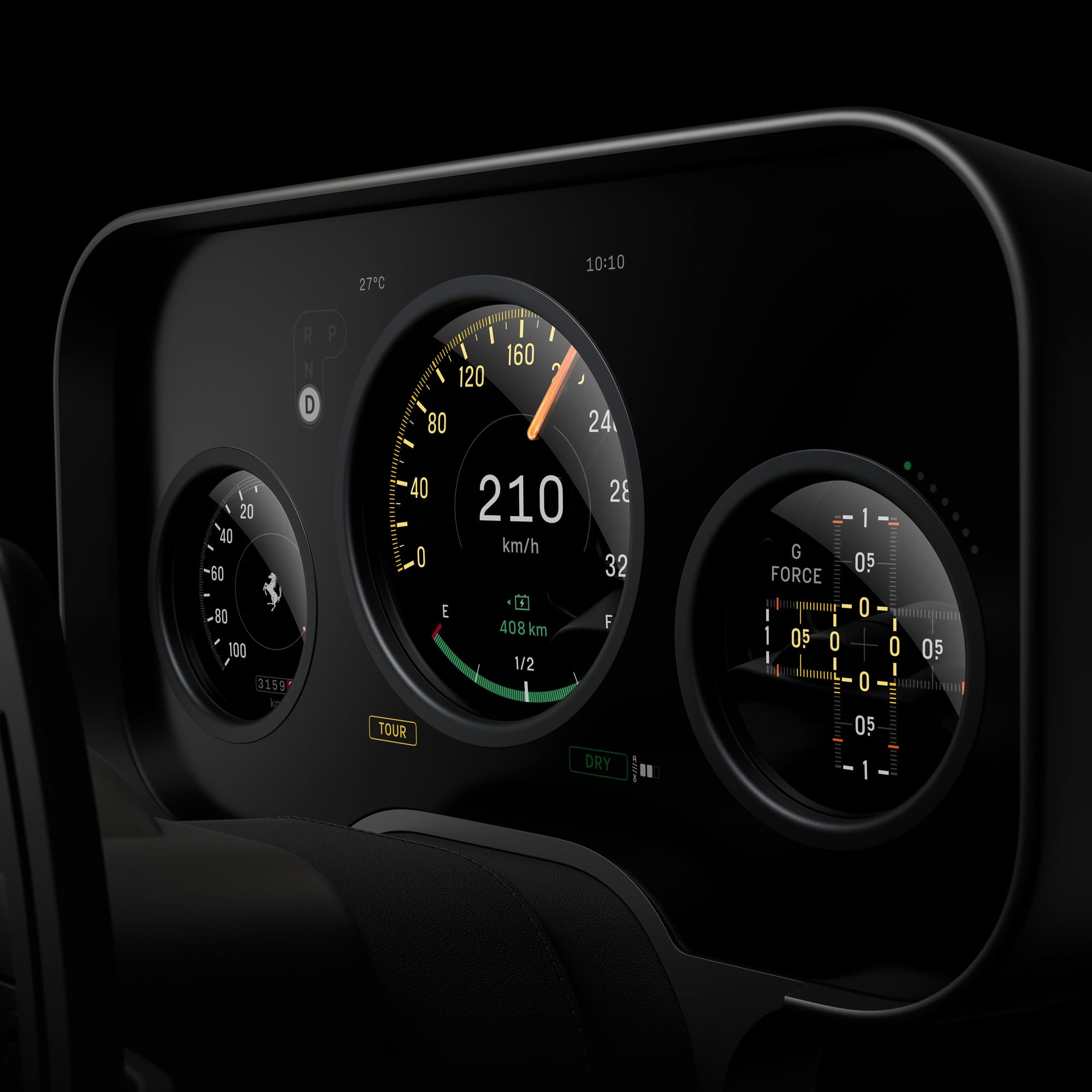
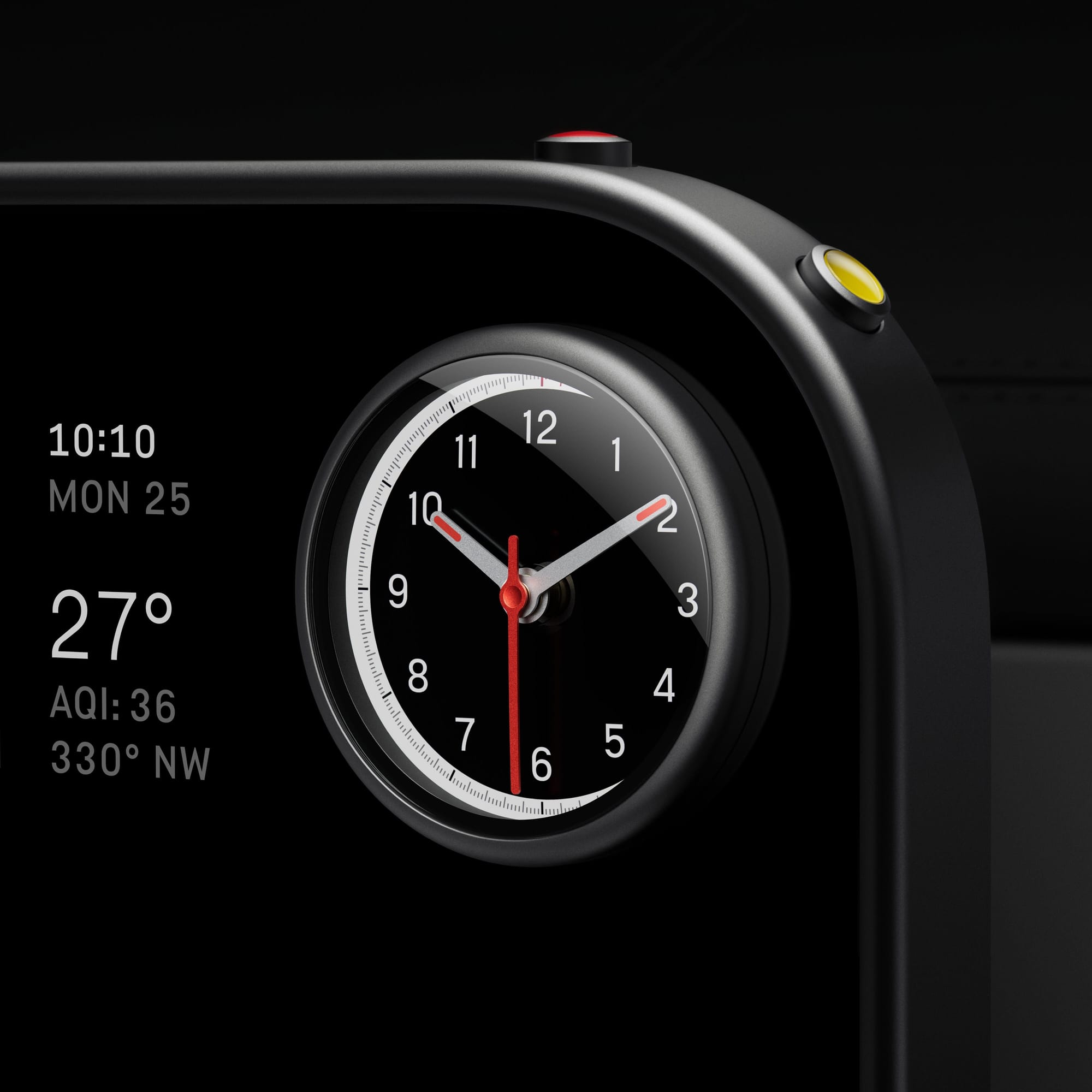
For now, all the world has seen of the Luce is interior photos. The exterior reveal is scheduled for May in Rome with first deliveries expected in October.
The Stakes
The emotional contract Ferrari has with its customers is pretty well-defined. People are buying a feeling, a status, and until now, a visceral connection to something that's handmade and mechanical. Luckily, at the end of the day Ferrari still has the other elements that make their brand special... the vibe, the colors, the craftmanship in other elements of the car. With this new model though, Ferrari is at risk of diluting the mystique that justifies prices of $400k-$600k due to a unique powertrain. At the end of the day, electric motors and batteries are just more commoditized. The battery and motor that's in a Tesla will sound largely the same out of the box as a motor in a performance car.
However, there are also risks associated with not going electric. Ferrari's long term survival depends on recruiting the next generation of obsessives - the 30-year-olds who will be its core customers in 2040. The people building AI companies today might want an electric Ferrari tomorrow. The generation that has grown up with Tesla has different emotional associations with performance, and in several key markets will face increasing restrictions on combustion cars. If Ferrari were to wait too long, it could risk ceding the crown of ultimate performance to other competitors that do offer electric cars.
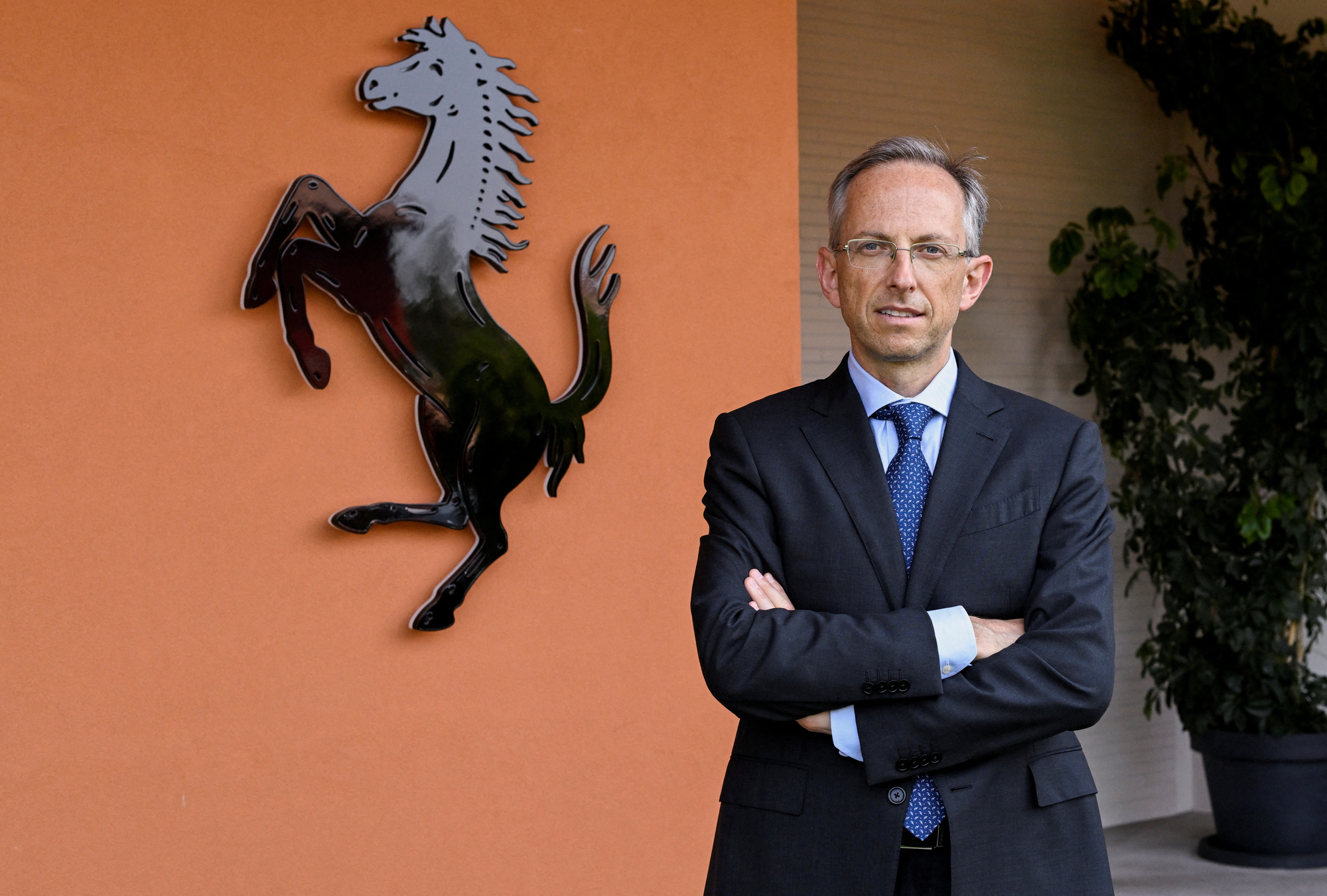
Ferrari CEO Benedetto Vigna insists that the Luce is "an addition, not a transition." With this statement, he's reassuring purists that the V12 isn't going away, signaling to investors that Ferrari won't chase volume by flooding the market with EVs, and reframing the Luce not as a concession to electrification but as an expansion of what Ferrari can mean. The 2030 strategy laid out by the leadership team in Maranello (40% combustion, 40% hybrid, 20% electric) shows that Ferrari is trying to be a company that offers products of the highest caliber in a variety of categories.
Historically, the market diversification strategy usually works out. Purists be damned, offering a variety of products typically contributes to the continued success and subsequent growth of a company. The most instructive parallel is Porsche and the Cayenne — a model that drew almost identical outrage from purists upon its 2002 launch, and which went on to save the company. Porsche didn't abandon the 911 once SUV revenue started flowing; it reinvested that capital across the entire lineup, producing better, faster, more capable sports cars as a direct result. The purists got everything they wanted, funded by the very car they had protested. Ferrari is already following a similar script. The Purosangue, once dismissed as a betrayal of everything the Prancing Horse stood for, has been a commercial success and has settled into the Ferrari identity with remarkably little lasting controversy. The Luce is not the first time Ferrari has asked its most devoted customers to trust the process. And on the evidence so far, the process tends to work.
"Think Different"
On September 28, 1997, a company on the brink of bankruptcy aired a sixty-second spot that would become one of the most studied pieces of advertising in history. Apple's "Think Different" campaign didn't show a single product. It showed Einstein, Gandhi, and Lennon — the misfits, the rebels, the round pegs in the square holes. What made that philosophy tangible — what turned it from a slogan into something you could hold in your hand — was a young British designer named Jonathan Ive.
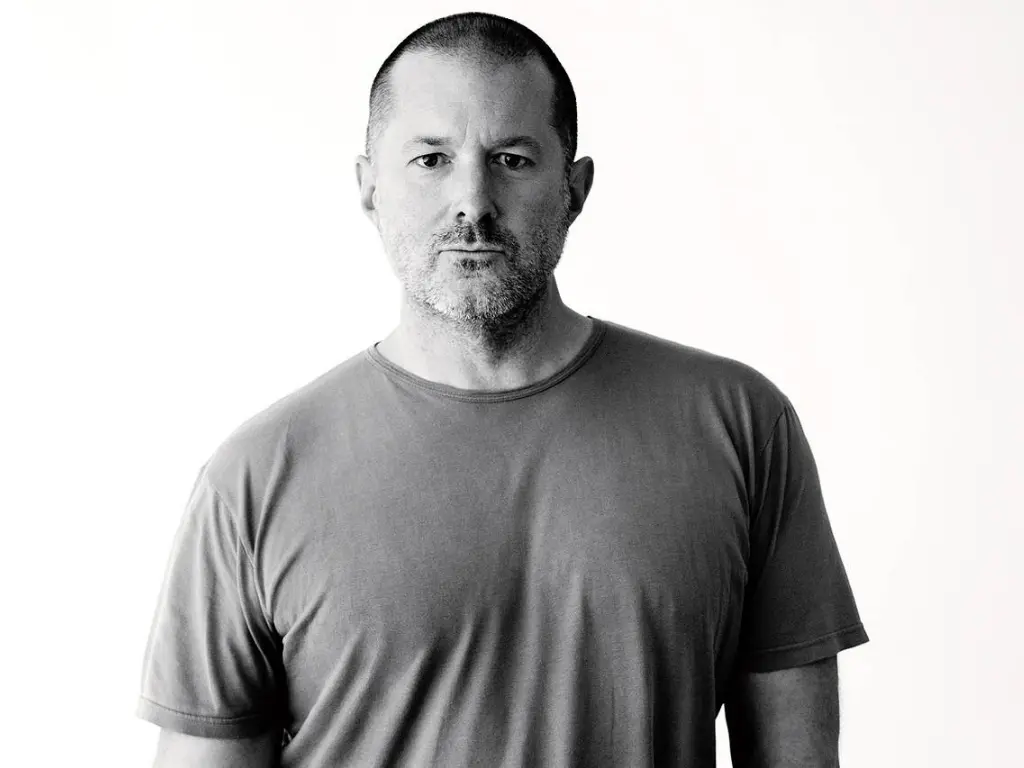
Hired by Apple in 92, Ive helped to support Steve Job's obsessive ambitions in product design. Over the next couple decades, Ive was a quiet force behind the iMac, iPod, and the iPhone - products defined by minimalism. He departed Apple in 2019 and founded LoveFrom. The Ferrari partnership followed in September 2021, with LoveFrom given creative responsibility for the Luce's design.
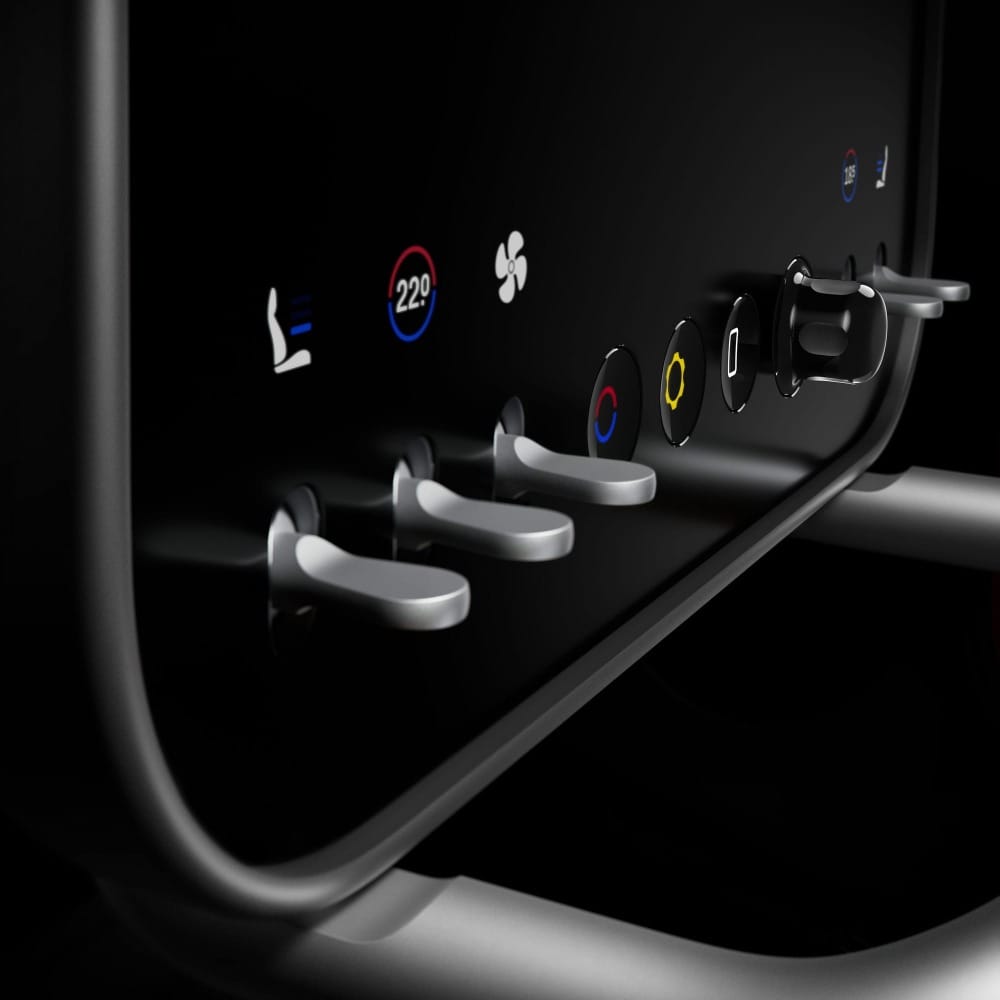
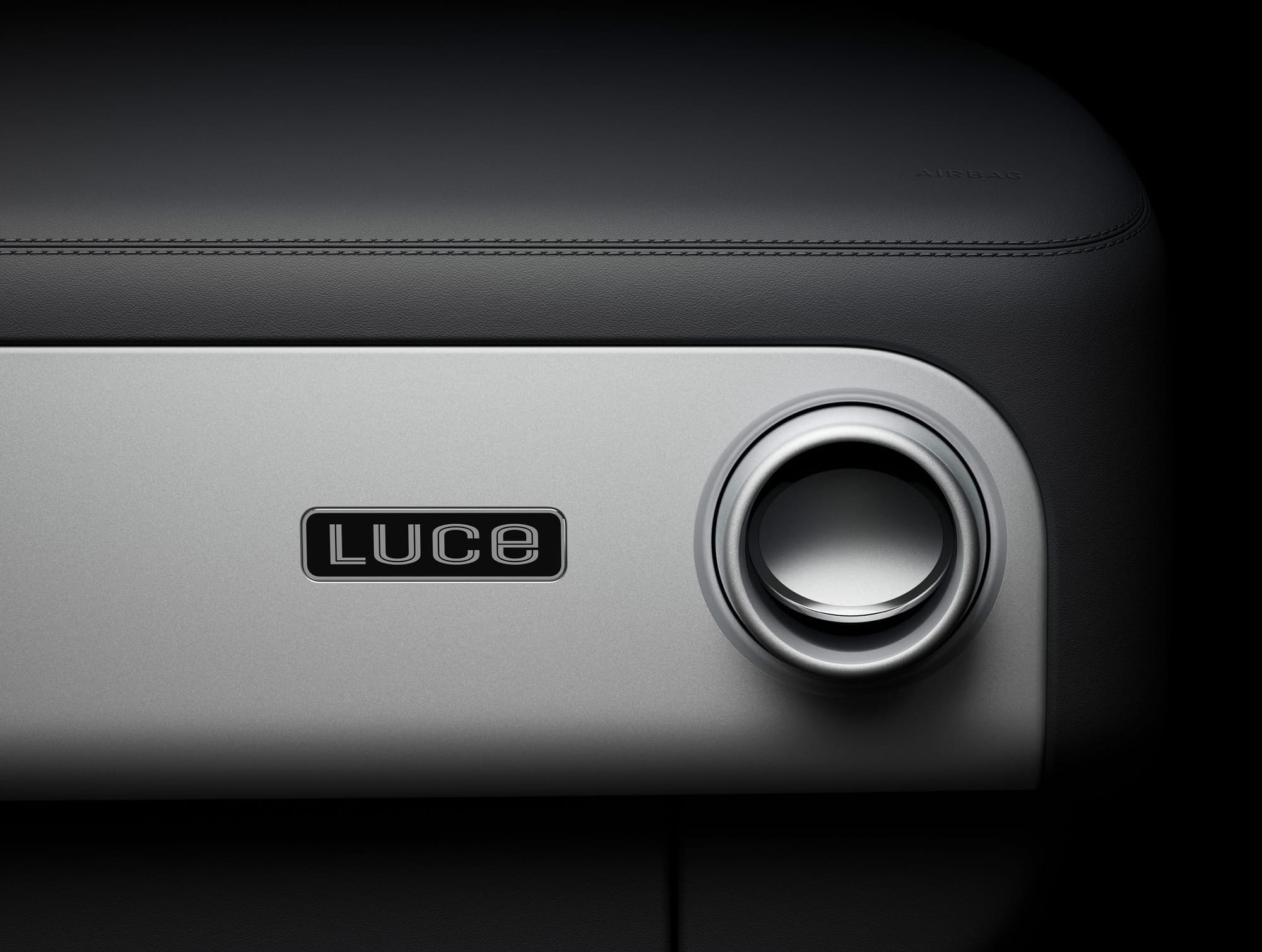
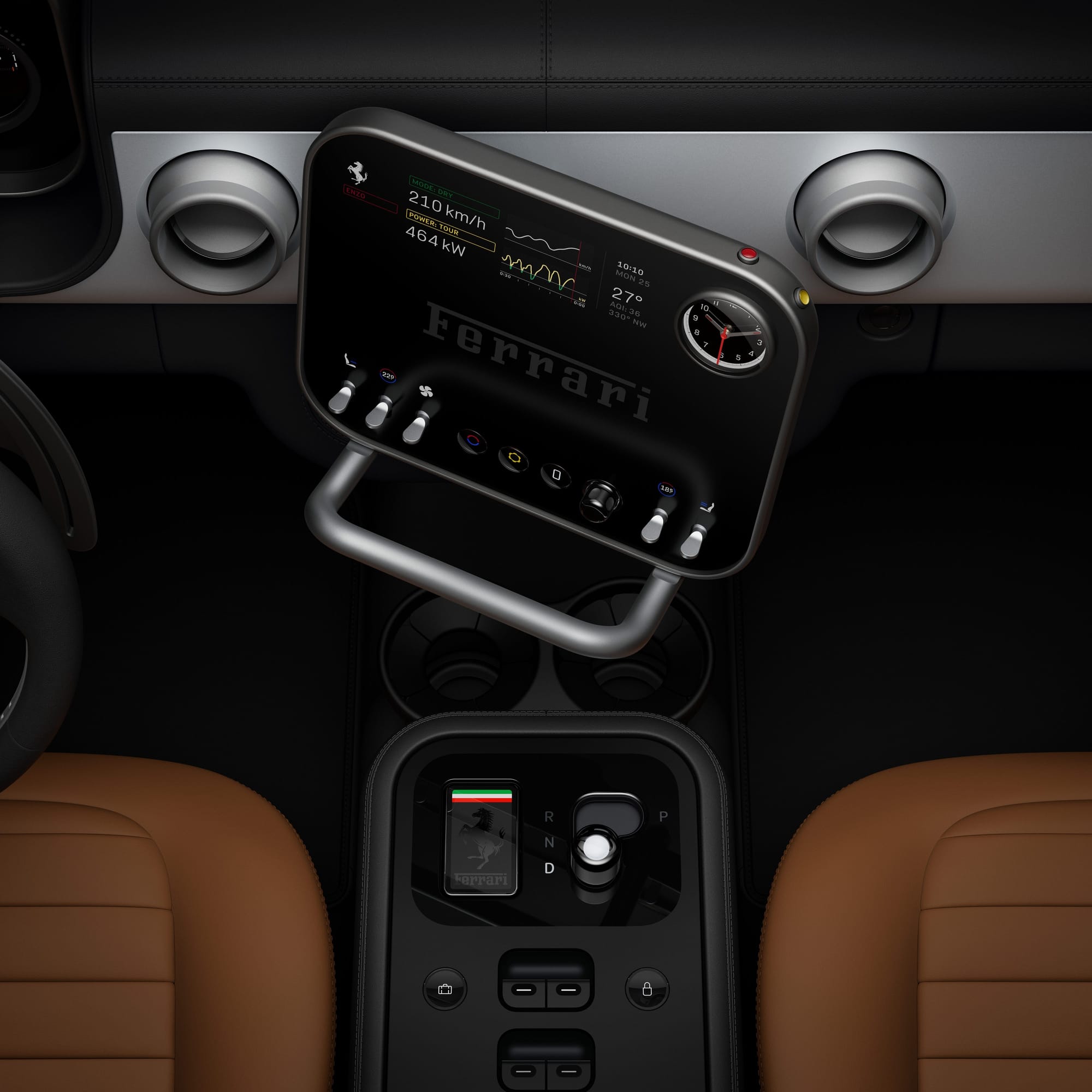
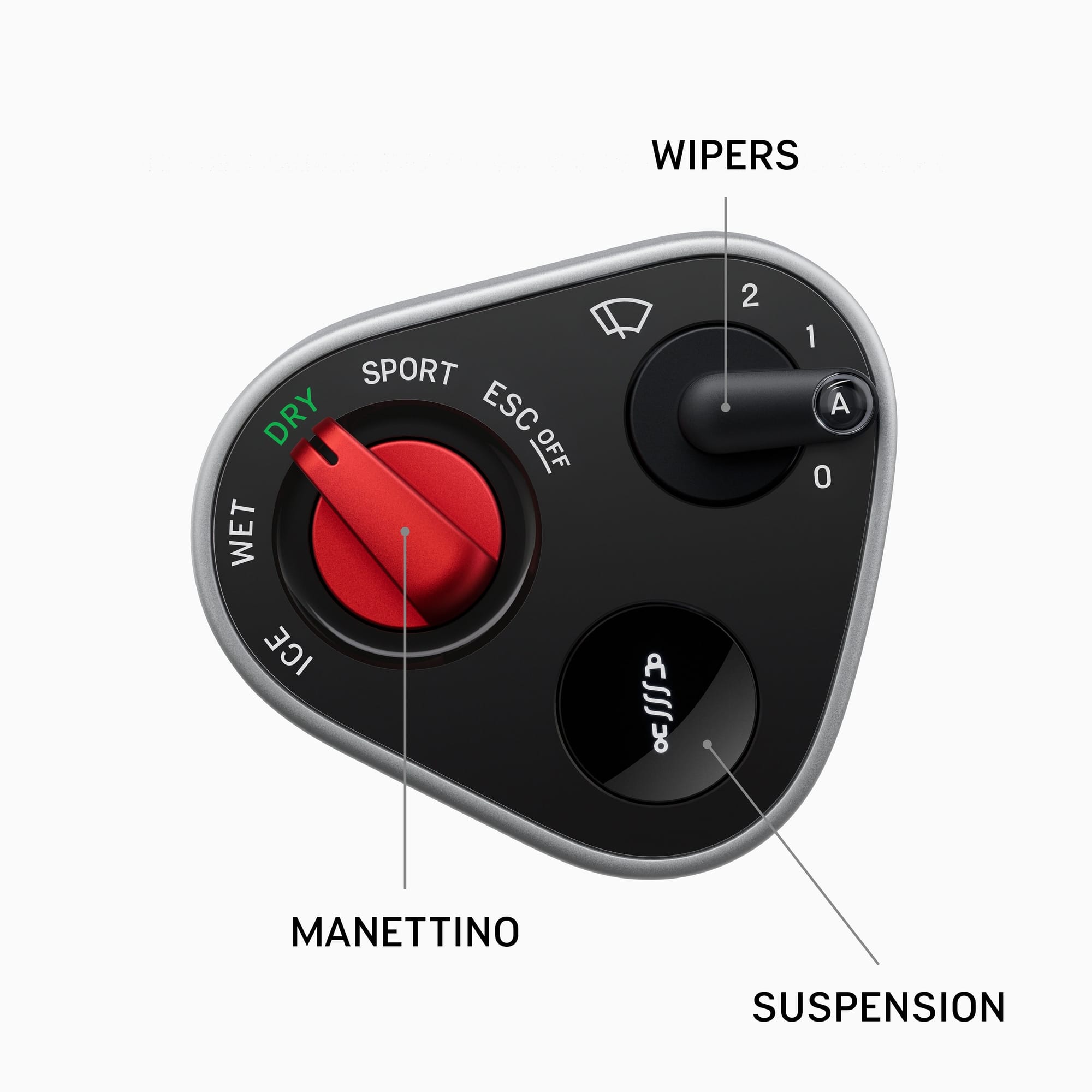
The Luce prioritized physical controls such as mechanical buttons, dials, and switches engineered to be intuitive and satisfying. The steering wheel alone is machined from a single piece of recycled aluminum. This is Ive's Apple philosophy applied to Ferrari. Nearly thirty years after "Think Different" asked what Apple truly stood for, Ive is asking the same question of the car.
It's rare for car companies to take risks like this. Ive had never helped design a car before, and his design company was still in its infancy whenever Ferrari signed their big contract. One of your first customer's being Ferrari has to feel pretty incredible.
What the Name Tells Us
Luce is the Italian word for light. Ferrari chose this deliberately, describing it as not just a name but a vision: electrification as a means, not an end, and a new era where design, engineering, and imagination converge. A company that built its identity around combustion has named its most important car in a generation after illumination. When the car is unveiled this summer in Rome, the world will get the full picture of what this new era will look like. This is one extraordinary company's willingness to bet on its own reinvention.
If you enjoyed the article, consider subscribing for posts about the auto industry.
Comments ()