Ford Pulls Back Investments in EVs Across Nation and in Kentucky
Ford, along with many other automakers, are seriously rethinking their commitments to EVs as 2025 draws to a close.
As 2025 draws to a close, the electric vehicle push seems to have stalled. Western automakers are restructuring deals, closing plants, and begging for mercy from their governments as emissions targets and sales goals become impossible to meet. The pace of electric vehicle adoption as a percentage of new car sales has been healthy if it were any other market with any other new product, but because of the extremely aggressive predictions laid out in years past, the reality has been far from expectation.
"The transition to electrification was priced to perfection. For most households the vehicle is the second most valuable purchase they make. Buying a new EV in 2022 turned out to be the financial equivalent to setting a pile of cash on fire to see if it was flammable." - Financier Patrick Boyle
Let's keep in mind that the macro-economic landscape has changed since a few years ago whenever interest rates were near-zero and both national and regional politicians were happy to subsidize the transition at any cost.
Focusing on Ford Motor Company
Ford Motor expects to record about $19.5 billion in special items related to a restructuring of its business priorities and a pullback in its all-electric vehicle investments. Ford has also just announced the cancellation of it's F150 Lightning truck, which has woefully underperformed in the sales department compared to projections... even though it's sales figures were better than competing EV trucks on the market. In 2024, Ford sold 33,510 Lightning's, but so far in 2025 it has only sold about 25,000. Whenever a fundamentally new product like the Lightning hits the market, you hope that volume increases consistently due to all of the engineering costs associated with the development of the vehicle. Ford has realized that was not going to happen in the foreseeable future.
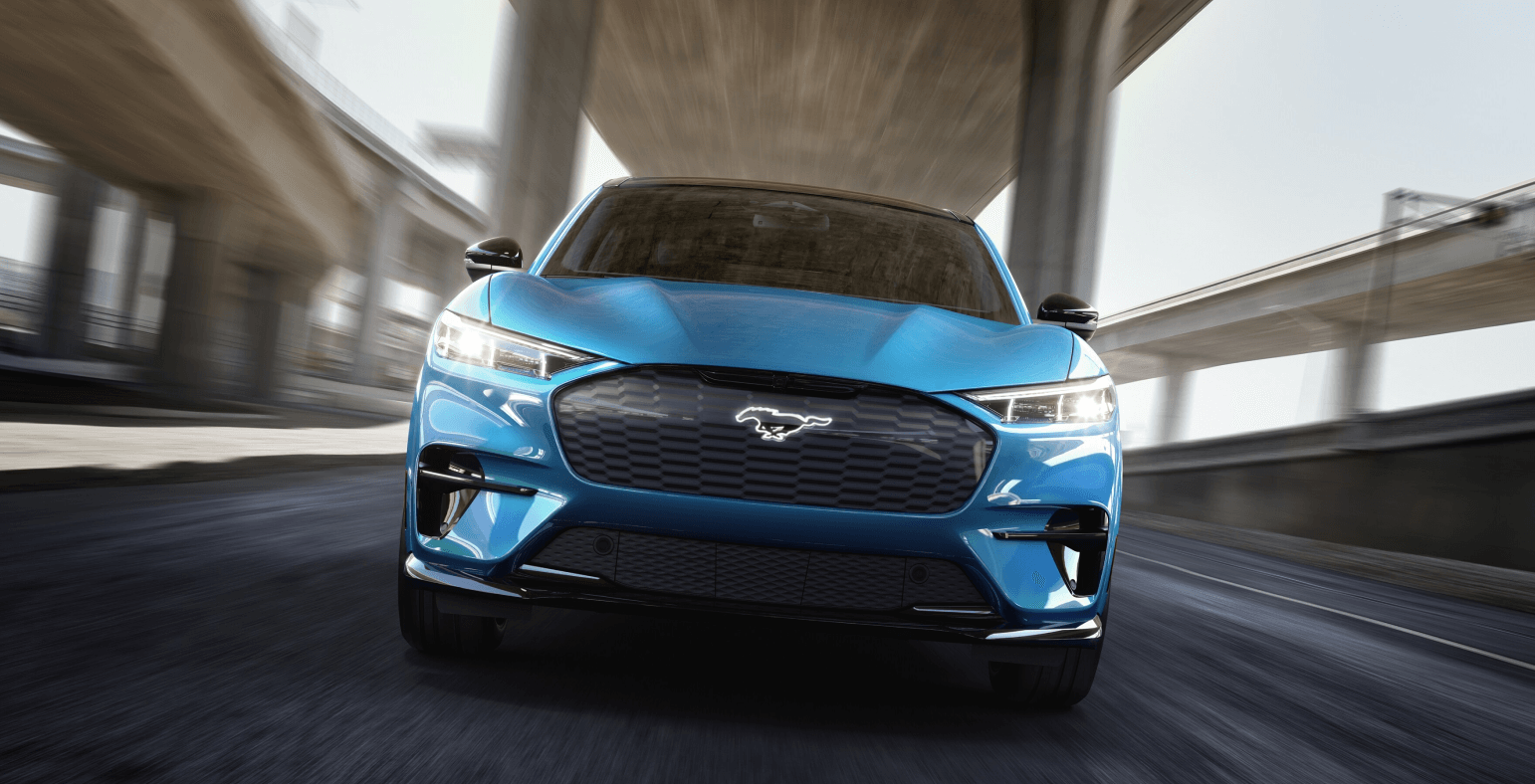
As Ford CEO Jim Farley explained, "In the gas powered world, the bigger the vehicle the higher the margin." Electrification inverts this logic, because in the EV world the bigger vehicle means you need a larger battery, which, turns out, is the most expensive part of the vehicle. This is a huge distinction that Detroit and traditional automakers are learning the hard way. It has become apparent that consumers aren't willing to pay for that increase in cost.
The EV pickup truck - once heralded as the killer application to win over middle America, has failed and now Detroit is pivoting to a mixed strategy where an engine will charge the battery.
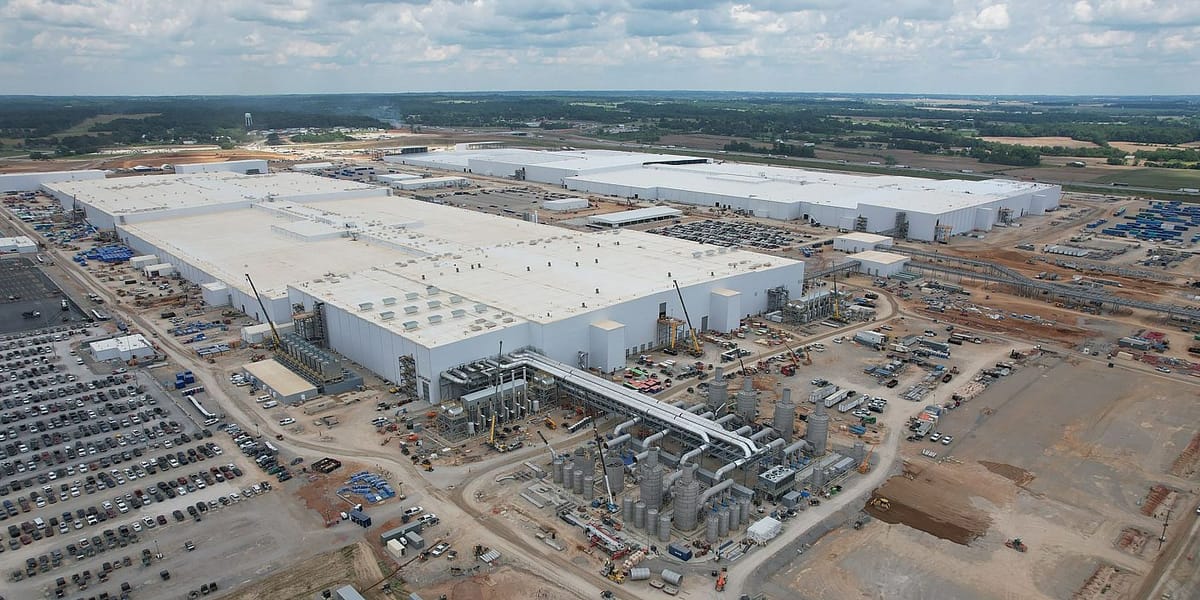
The Glendale, KY plant
Regarding the BlueOval SK battery production site in Glendale, KY - all 1600 employees are going to be laid off due to this change in customer demand. According to WDRB, Ford leadership's goal is to use the site for it's battery-storage business for customers such as utilities, wind- and solar-power developers, and massive data centers that train artificial intelligence. Ford announced its plans to begin shipping the battery energy storage systems from its Kentucky and Michigan plants in Late 2027, a shift to "higher-return opportunities."
This makes sense, and hopefully many of those laid off are able to apply their skillsets towards the production of this commercially-focused battery production.
"Instead of plowing billions into the future knowing these large EVs will never make money, we are pivoting," Ford Chief Executive Jim Farley said in an interview with the WSJ.
Kentucky Gov. Andy Beshear said through a spokesperson that the state will remain the "EV battery capital of the U.S. ... despite the President's shortsighted attacks on the industry." Beshear said he's in direct contact with Ford leadership on a restructured future project.

The first production battery rolled off of the Glendale assembly line in August, so it was functional for approximately five months after being announced back in 2021. These industrial investments have long lead times, and whenever the macro environment shifts as much as it has, that can mean once the project has been completed years later the original intended use is no longer justifiable.
If you enjoy reading Auto Digest, please consider subscribing.


Comments ()